Introduction
Heavy appliances like refrigerators, washing machines, dryers, and stoves represent significant investments in any home. Moving them improperly can result in thousands of dollars in damage or complete equipment failure upon arrival at your new residence.
Professional preparation and handling of heavy appliances involves specialized knowledge about disconnection procedures, protective transportation methods, and reconnection protocols that most homeowners lack.
Pre-move appliance preparation steps
Beginning preparation at least two weeks before moving day ensures your appliances receive proper care and attention to critical details.
- Document the setup: Take photographs of existing connections, hoses, wiring, and drain configurations. These reference images guide professional reinstallation at your new location.
- Refrigerator drainage: Empty contents and defrost at least 24 hours before moving. Drain water from the drip pan using the designated drain plug located at the base.
- Washing machine disconnect: Shut off both hot and cold water supply valves. Disconnect hoses carefully and cap both hose ends to prevent leakage. Allow remaining water to drain into a bucket.
- Gas appliance safety: For gas stoves or water heaters, only qualified professionals should disconnect these high-risk appliances due to explosion and carbon monoxide hazards.
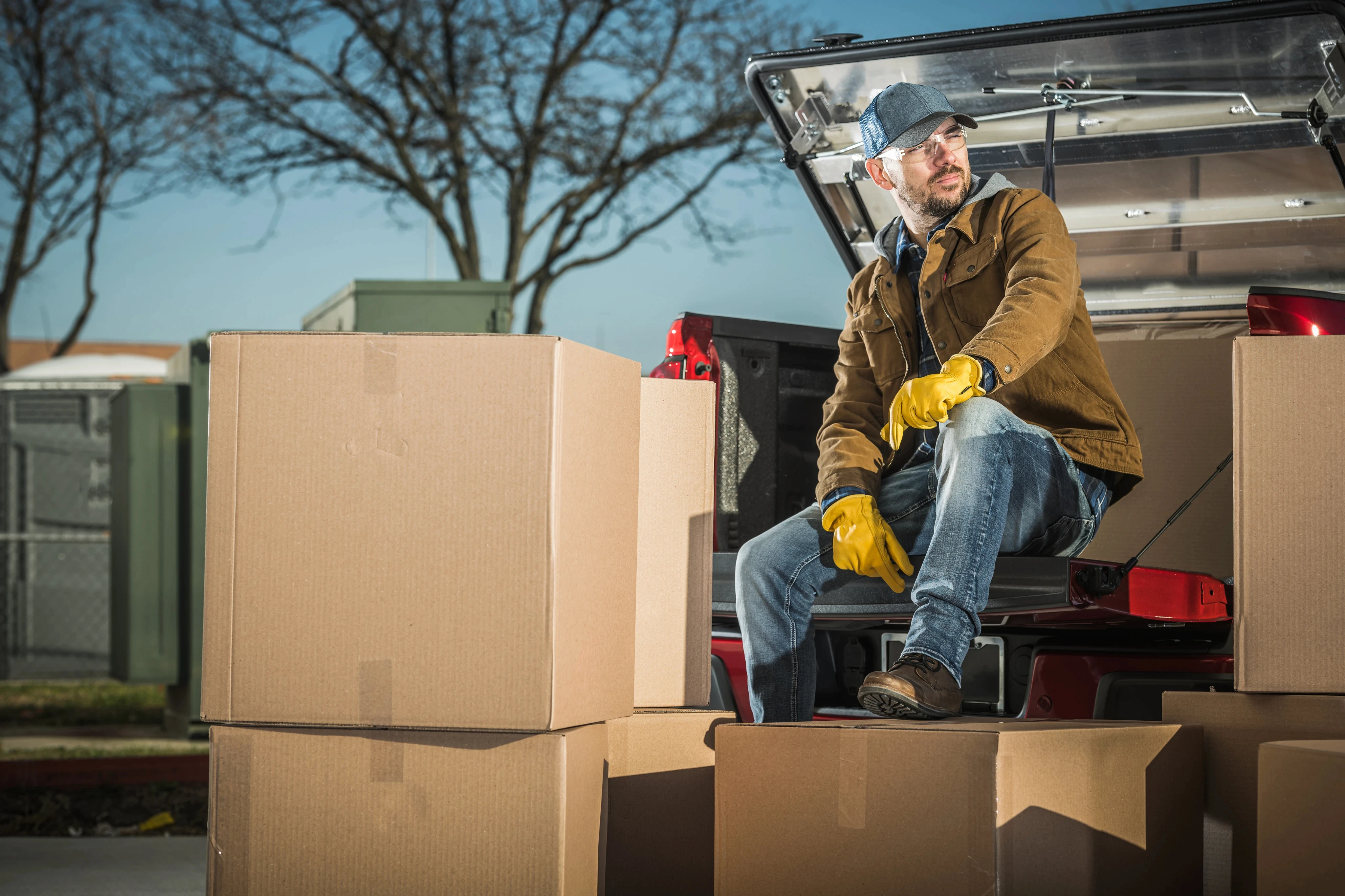
Pro Tip: Never move a refrigerator while lying flat on its side. This causes compressor fluid to flow into the cooling tubes, potentially permanently damaging the unit. Transport refrigerators upright, or if absolutely necessary, wait 4-6 hours after placing on its side before operating.
Protecting appliances during transit
Proper cushioning and securing prevents damage during the vibration and shifting that occurs during transportation.
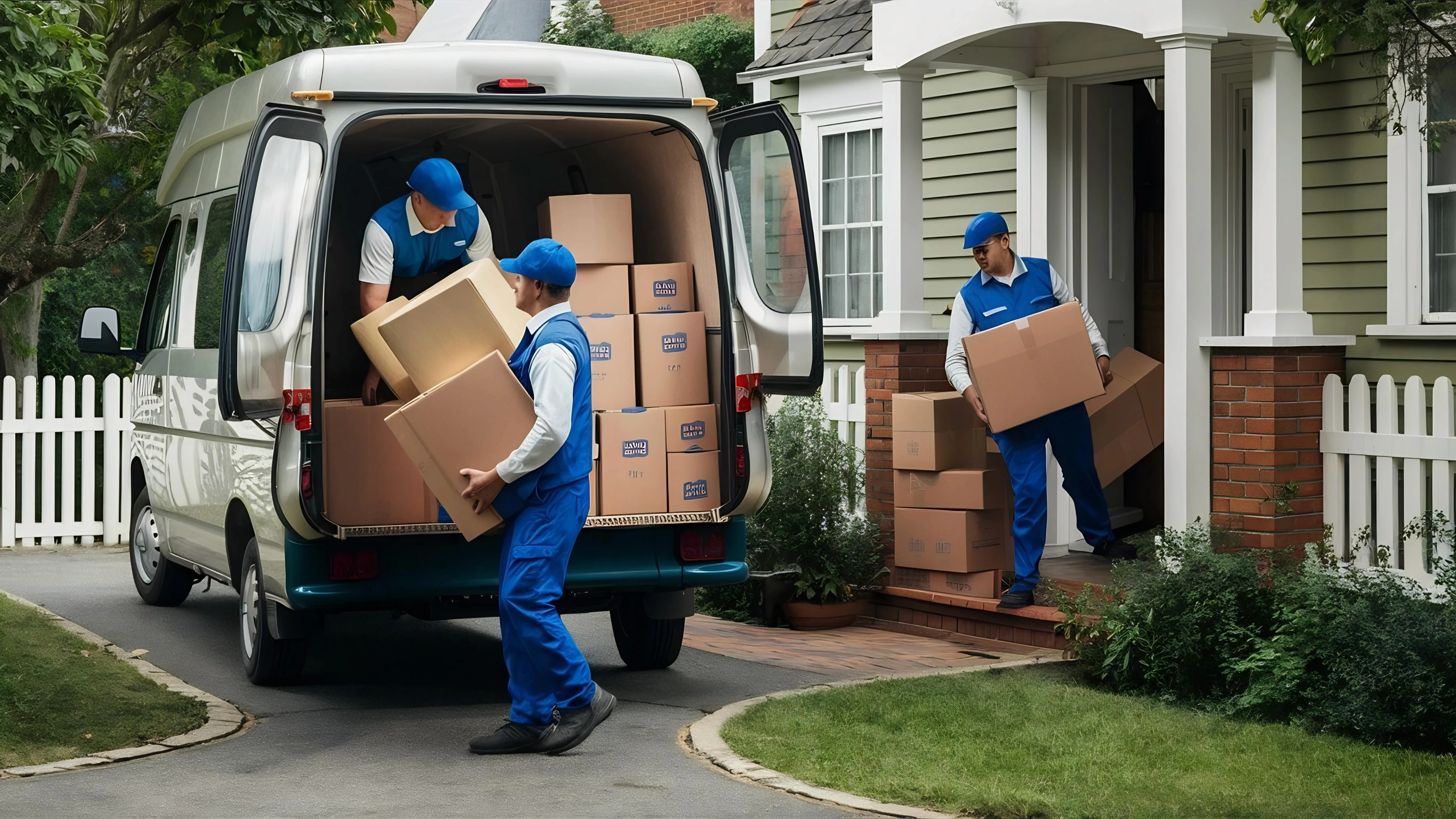
Heavy blankets should wrap around all sides of large appliances, with padding extra protection around corners and edges. Refrigerators and stoves specifically need corner guards and stabilizing straps to prevent tipping or sliding within the moving truck. Professional moving crews use specialized dollies and ramps designed for heavy appliance transport, ensuring controlled movement and preventing floor damage.
Post-move reconnection and testing
After arrival at your new home, professional installation ensures your appliances function correctly and maintain warranty coverage. Many manufacturers void warranties if non-certified technicians perform installation.
Warezone Relocations coordinates professional appliance installation or can connect you with certified technicians who understand the unique requirements of each appliance type, ensuring safe and proper reconnection.